Updated
Casio MRW-230H vs Citizen Promaster Sea Eco-Drive Diver
Casio's timepiece meets Citizen's diver
Quick Verdict
The Casio MRW-230H (Under $50) offers Casio Quartz (Battery) precision in the tier below the Citizen Promaster Sea Eco-Drive Diver ($250–$500). The MRW-230H measures 44.6mm (47.9 x 44.6 x 12.3mm) and is rated 100m (10 ATM). The Promaster Sea Eco-Drive Diver counters with Made in Japan craftsmanship and 200m (20 ATM) ISO 6425 water resistance. Both are exceptional watches for their respective tiers.
Transparency — We earn a small commission on purchases made through our Amazon links. This doesn't affect our editorial independence.
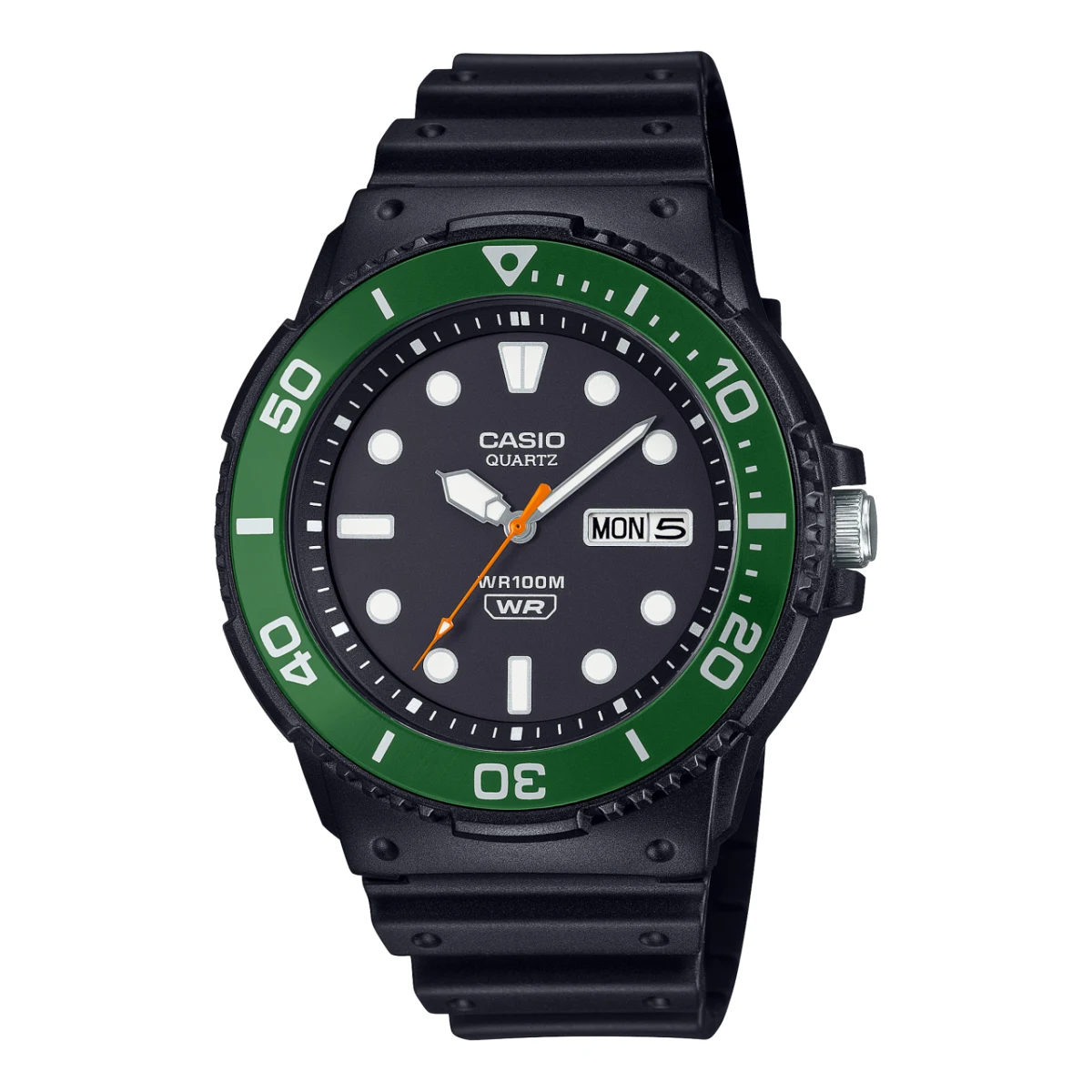
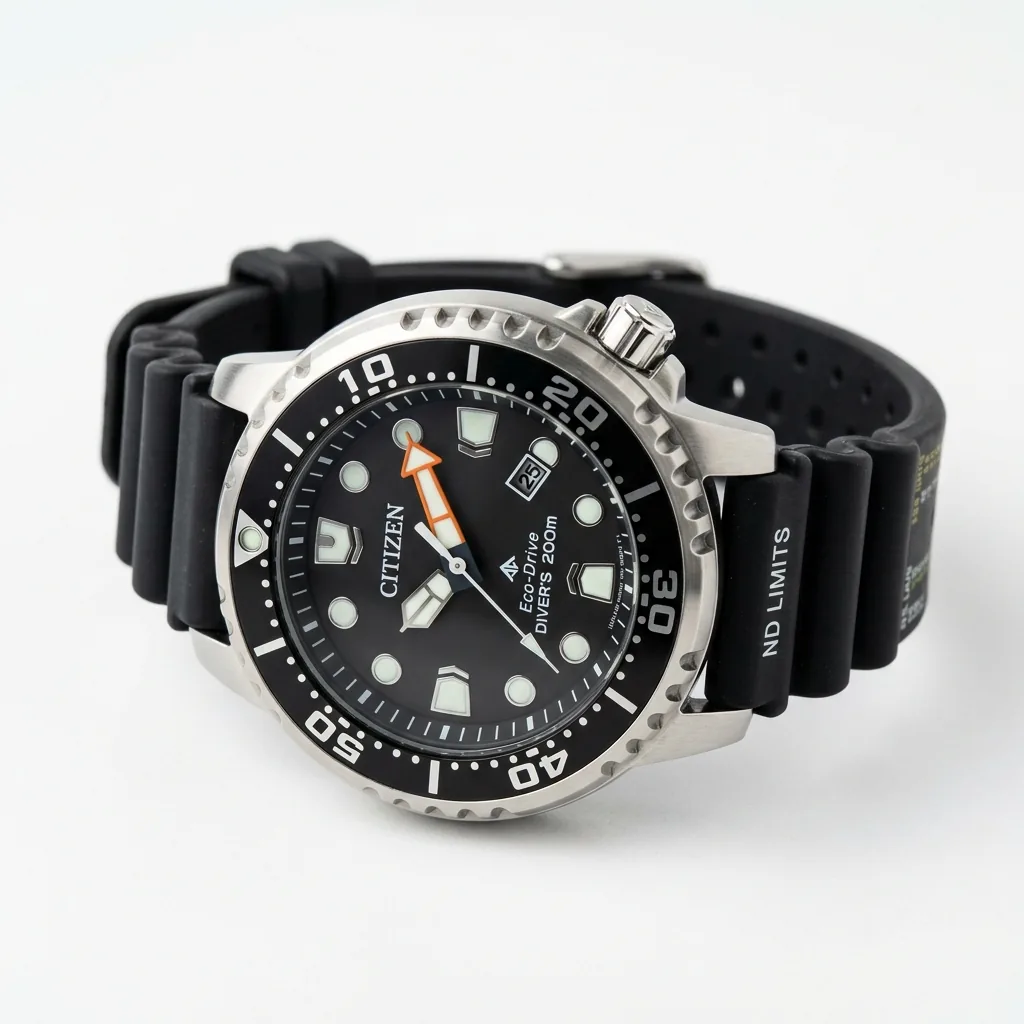
Specifications Compared
| Feature | Casio MRW-230H | Citizen Promaster Sea Eco-Drive Diver |
|---|---|---|
| Price | Under $50 | $250–$500 |
| Case Size | 44.6mm (47.9 x 44.6 x 12.3mm) | 44mm |
| Movement | Quartz | Eco-Drive Caliber E168 |
| Caliber Type | Casio Quartz (Battery) | Citizen Eco-Drive (Solar Quartz) |
| Power Reserve | Approx. 3-year battery (SR626SW) | — |
| Water Resistance | 100m (10 ATM) | 200m (20 ATM) ISO 6425 |
| Crystal | Resin Glass | Mineral Crystal |
| Case Material | Resin case, aluminum bezel ring | Stainless Steel |
| Origin | Casio (Japan) | Made in Japan |
Category-by-Category Analysis
Design & Aesthetics
Casio's design language vs Citizen's approach
The Casio MRW-230H features a Resin case, aluminum bezel ring case at 44.6mm (47.9 x 44.6 x 12.3mm) with Resin Glass protection. The Citizen Promaster Sea Eco-Drive Diver offers Stainless Steel construction at 44mm with Mineral Crystal. Both represent their brand's distinct design philosophy and heritage.
Movement & Performance
Quartz vs Eco-Drive Caliber E168
The MRW-230H runs the Quartz (Casio Quartz (Battery), Approx. 3-year battery (SR626SW) power reserve) at standard frequency. The Promaster Sea Eco-Drive Diver uses the Eco-Drive Caliber E168 (Citizen Eco-Drive (Solar Quartz), standard reserve) at standard. Power reserves are closely matched.
Wearability & Fit
44.6mm (47.9 x 44.6 x 12.3mm) vs 44mm — different wrist presence
At 44.6mm (47.9 x 44.6 x 12.3mm), the MRW-230H has a bolder wrist presence compared to the Promaster Sea Eco-Drive Diver at 44mm. Water resistance differs: 100m (10 ATM) vs 200m (20 ATM) ISO 6425.
Value & Cost of Ownership
Casio sits in the lower tier
The Casio MRW-230H sits at Under $50 and the Citizen Promaster Sea Eco-Drive Diver at $250–$500. On the specs that outlast any price: the MRW-230H uses Resin Glass with Approx. 3-year battery (SR626SW), against Mineral Crystal and a standard reserve on the Promaster Sea Eco-Drive Diver. Service intervals are typically 5-7 years for both.
Water Resistance
100m (10 ATM) vs 200m (20 ATM) ISO 6425
The MRW-230H is rated to 100m (10 ATM) while the Promaster Sea Eco-Drive Diver handles 200m (20 ATM) ISO 6425. The Promaster Sea Eco-Drive Diver offers superior water resistance.
Our Verdict
Casio
MRW-230H
Choose the Casio MRW-230H if you prioritize Casio Quartz (Battery) engineering, Casio (Japan) craftsmanship, and 100m (10 ATM) water resistance. At Under $50, it delivers Quartz with Approx. 3-year battery (SR626SW) power reserve.
Check Price on AmazonCitizen
Promaster Sea Eco-Drive Diver
Choose the Citizen Promaster Sea Eco-Drive Diver if you value Citizen Eco-Drive (Solar Quartz) technology, Made in Japan heritage, and 44mm proportions. At $250–$500, the Eco-Drive Caliber E168 with ample power reserve makes it a compelling choice.
Check Price on AmazonThe Bottom Line
The Casio MRW-230H and Citizen Promaster Sea Eco-Drive Diver represent two distinct approaches to fine watchmaking — the Casio bringing Casio (Japan) tradition while Citizen delivers Made in Japan engineering.
Frequently Asked Questions
More Comparisons
Tag Heuer Carrera Chronograph vs Casio MRW-230H
Tag Heuer's chronograph meets Casio's timepiece
Tag Heuer Carrera Chronograph vs Citizen Promaster Sea Eco-Drive Diver
Tag Heuer's chronograph meets Citizen's diver
Tissot PRX Powermatic 80 vs Casio MRW-230H
Two timepieces compared — $500–$1,000 vs Under $50
Explore These Watches
How This Page Was Made
Our comparisons are generated from a hand-maintained specification database and reviewed under our editorial standards. We use AI tools to assemble pages from that data. We don’t invent specs: every number traces back to the database, and when we correct an entry, the fix is applied site-wide. As an Amazon Associate, The Horologist earns from qualifying purchases.