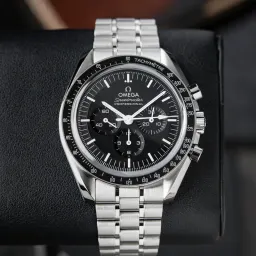
Fig. VI.a
01 / 05
The Dial
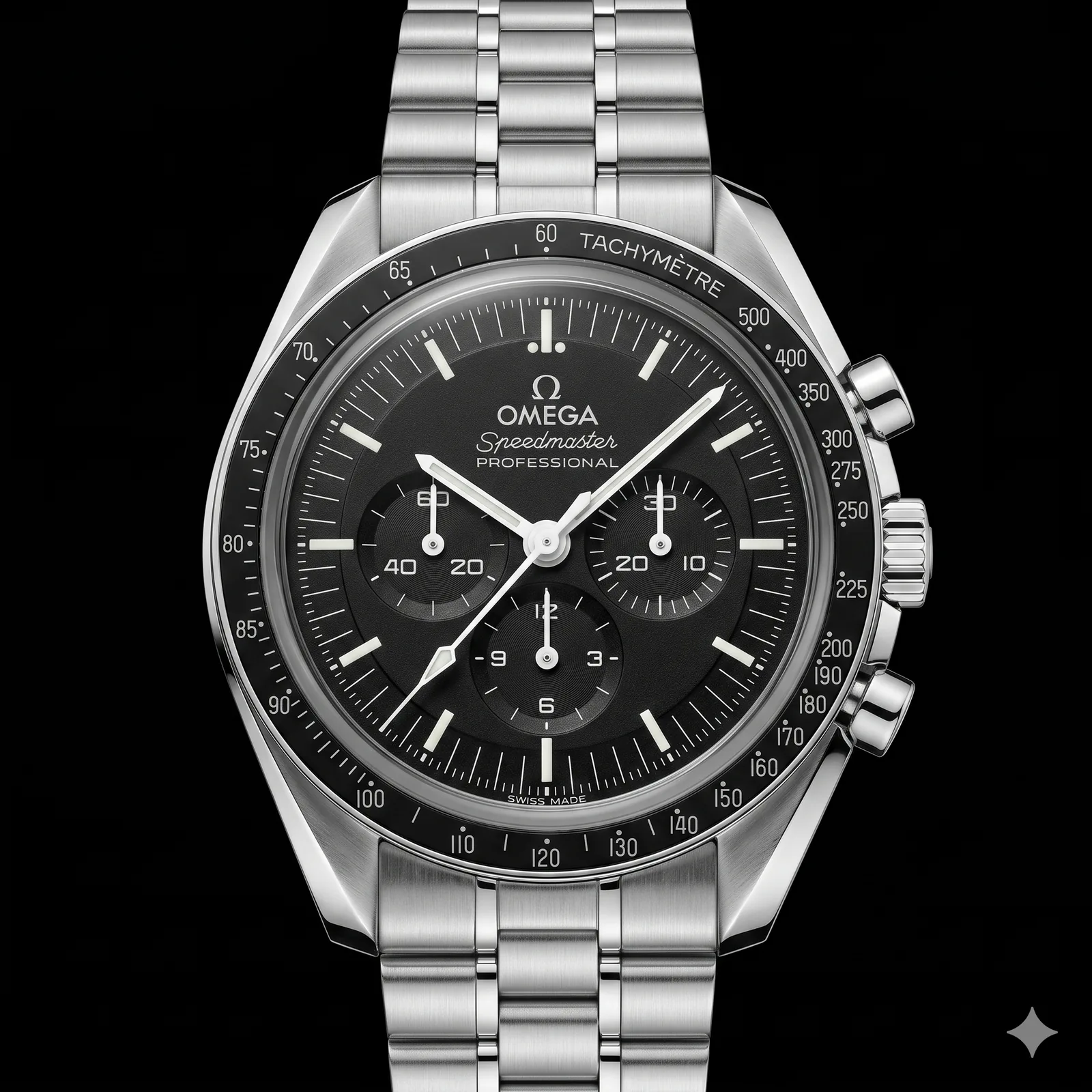
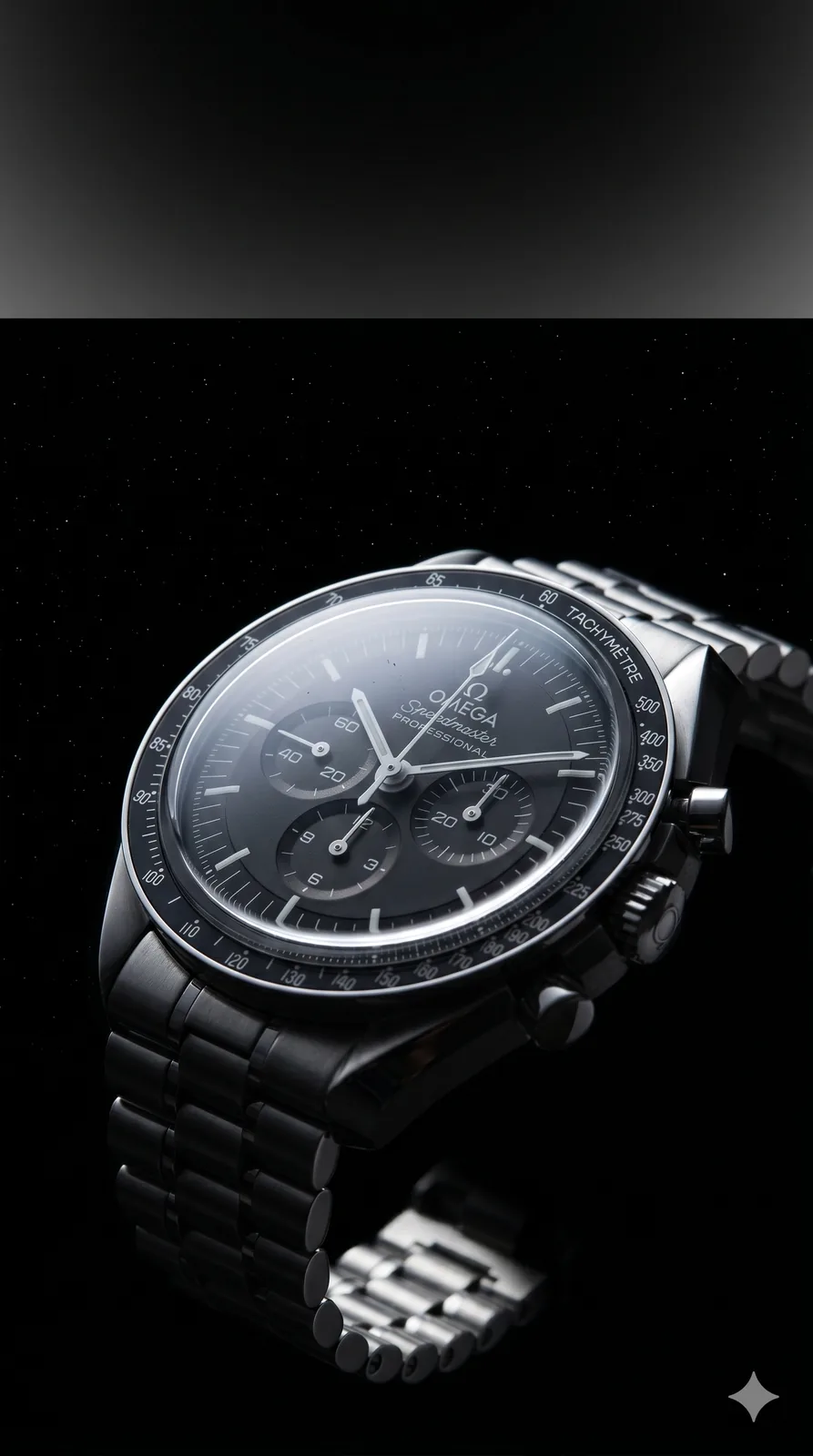
Black lacquer. Stepped indices, applied. Recessed sub-dials at 3, 6, and 9. Calibrated for legibility in zero-gravity — the hour markers catch suit-light at a glance.
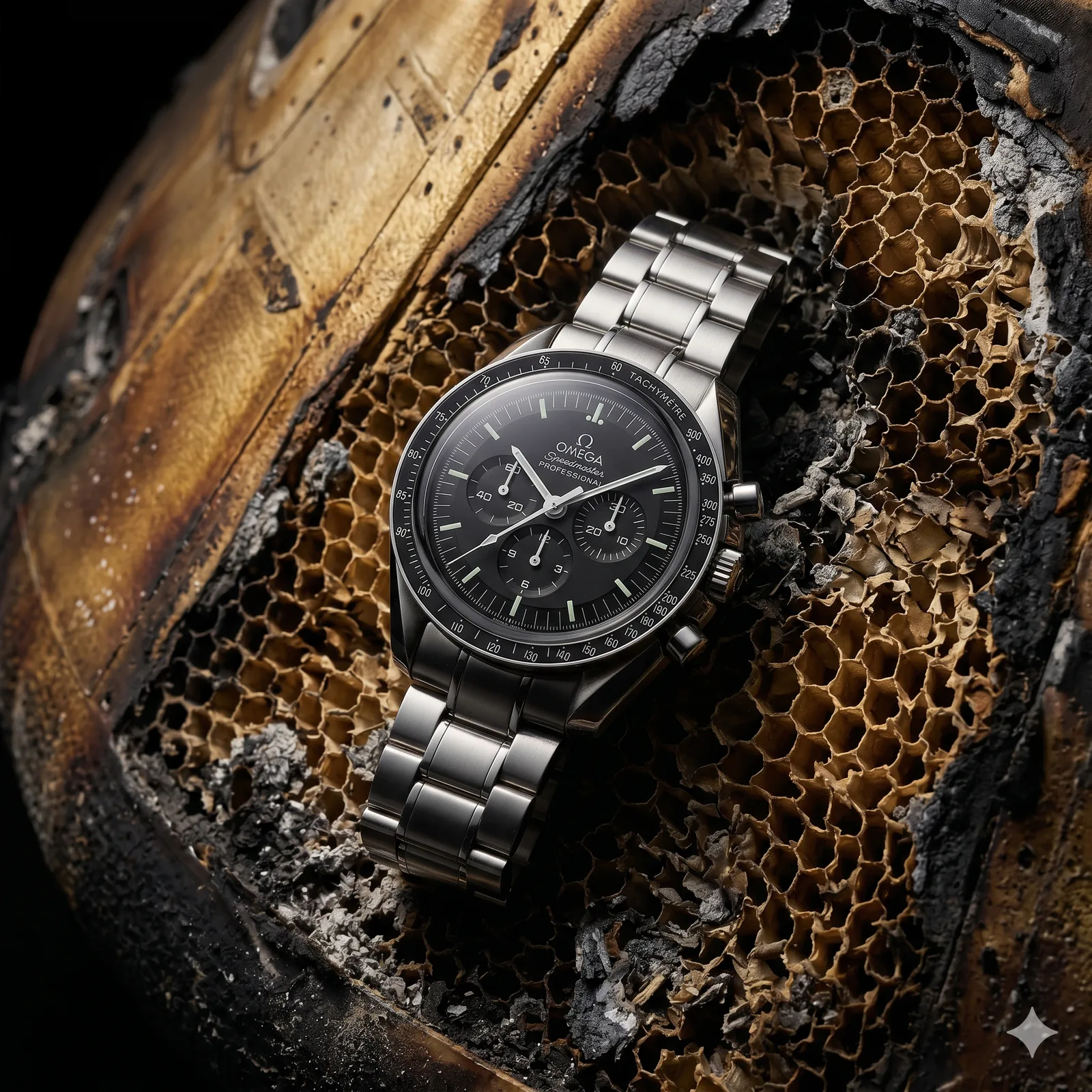
The Speedmaster Professional is the only watch certified by NASA for all manned space missions. It timed the engine burn that saved Apollo 13. Sixty-eight years after its 1957 debut — still in production. Still flight-qualified. Still the only one.
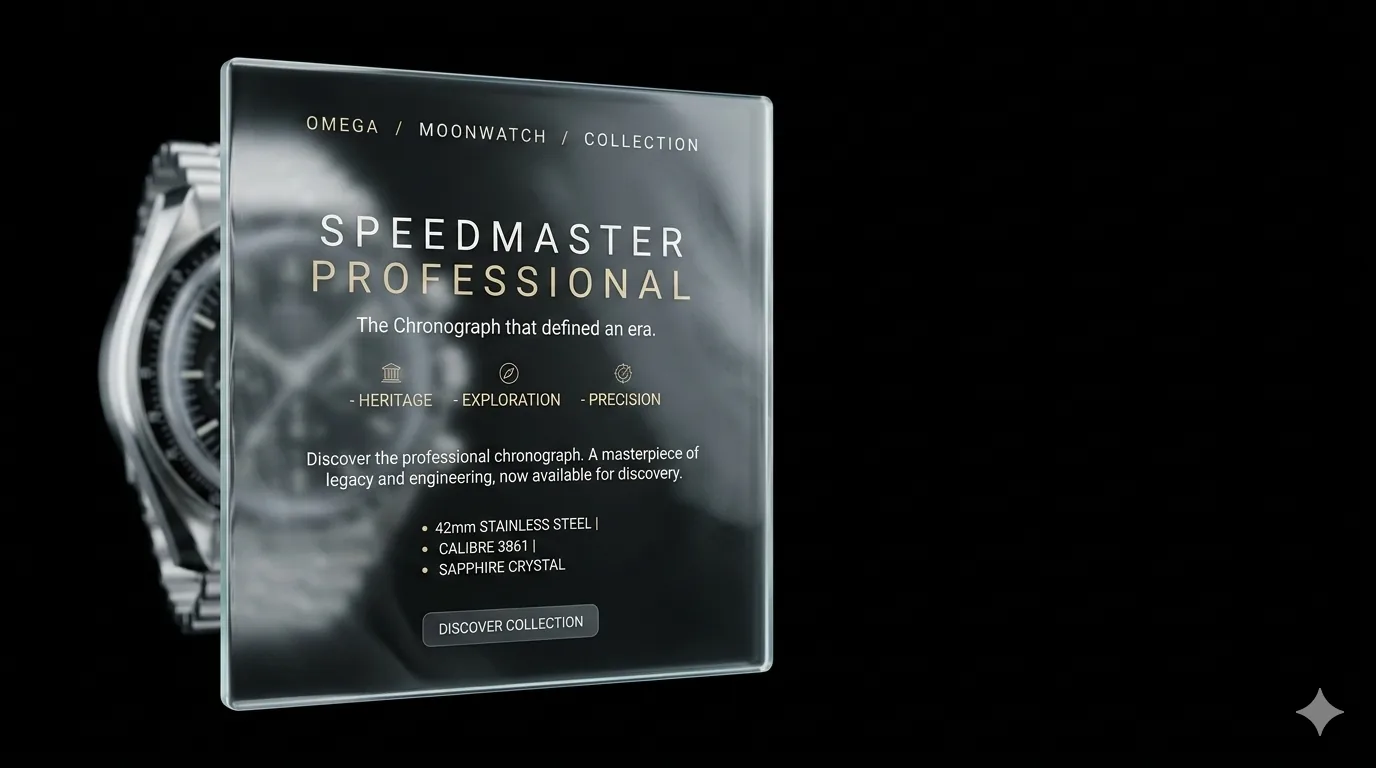
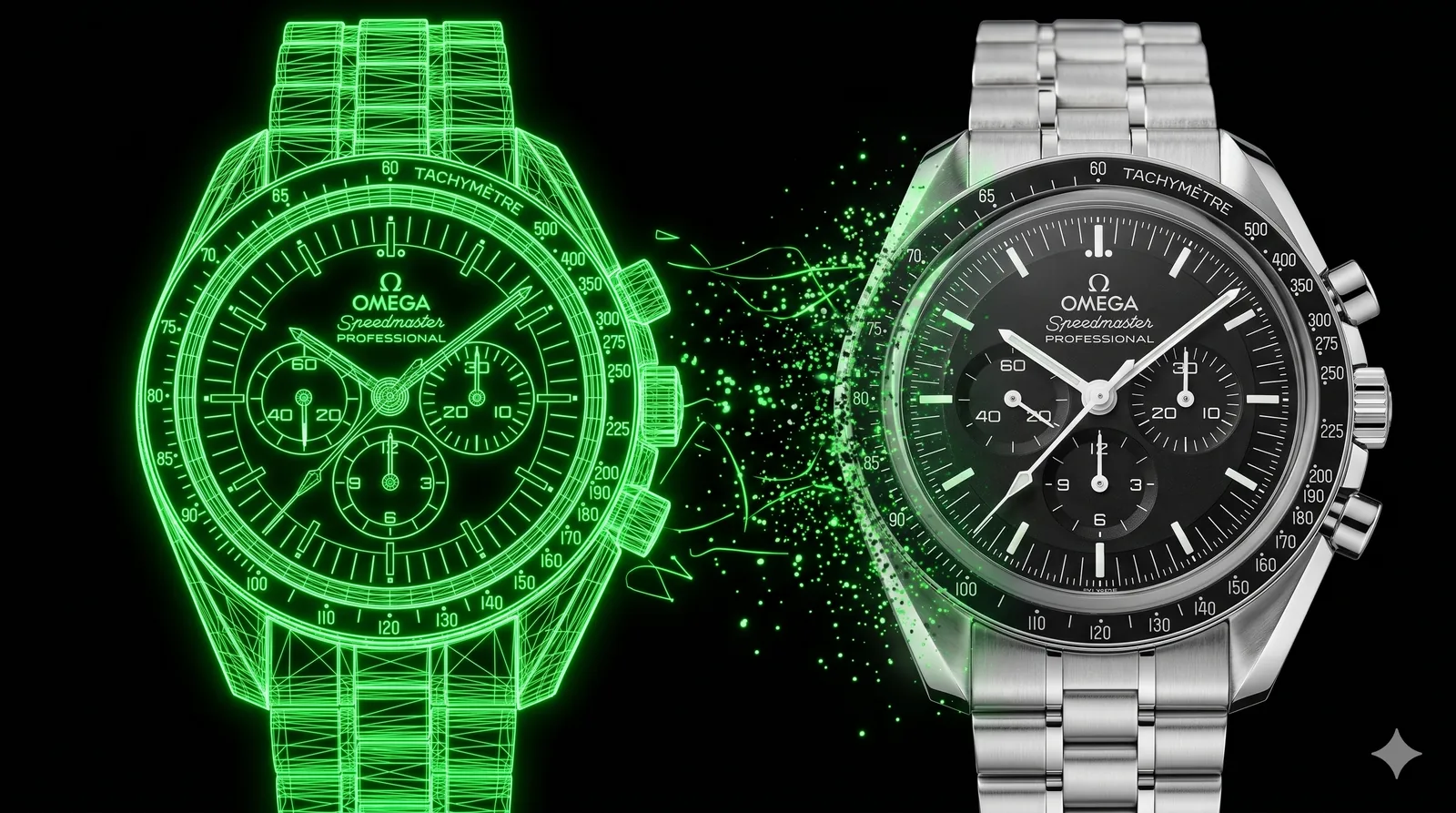
In 1964 NASA quietly purchased every commercially available chronograph that met its specifications — from Omega, Rolex, Longines, Wittnauer, Hamilton, and others — and put them through what is still the most brutal qualification trial ever administered to a wristwatch.
Each watch was sealed, baked, frozen, vibrated, pressurized, depressurized, and shocked. Crystals shattered. Hands fell off. Movements seized. The Speedmaster passed every test, and on 1 March 1965 was certified "flight-qualified for all manned space missions."
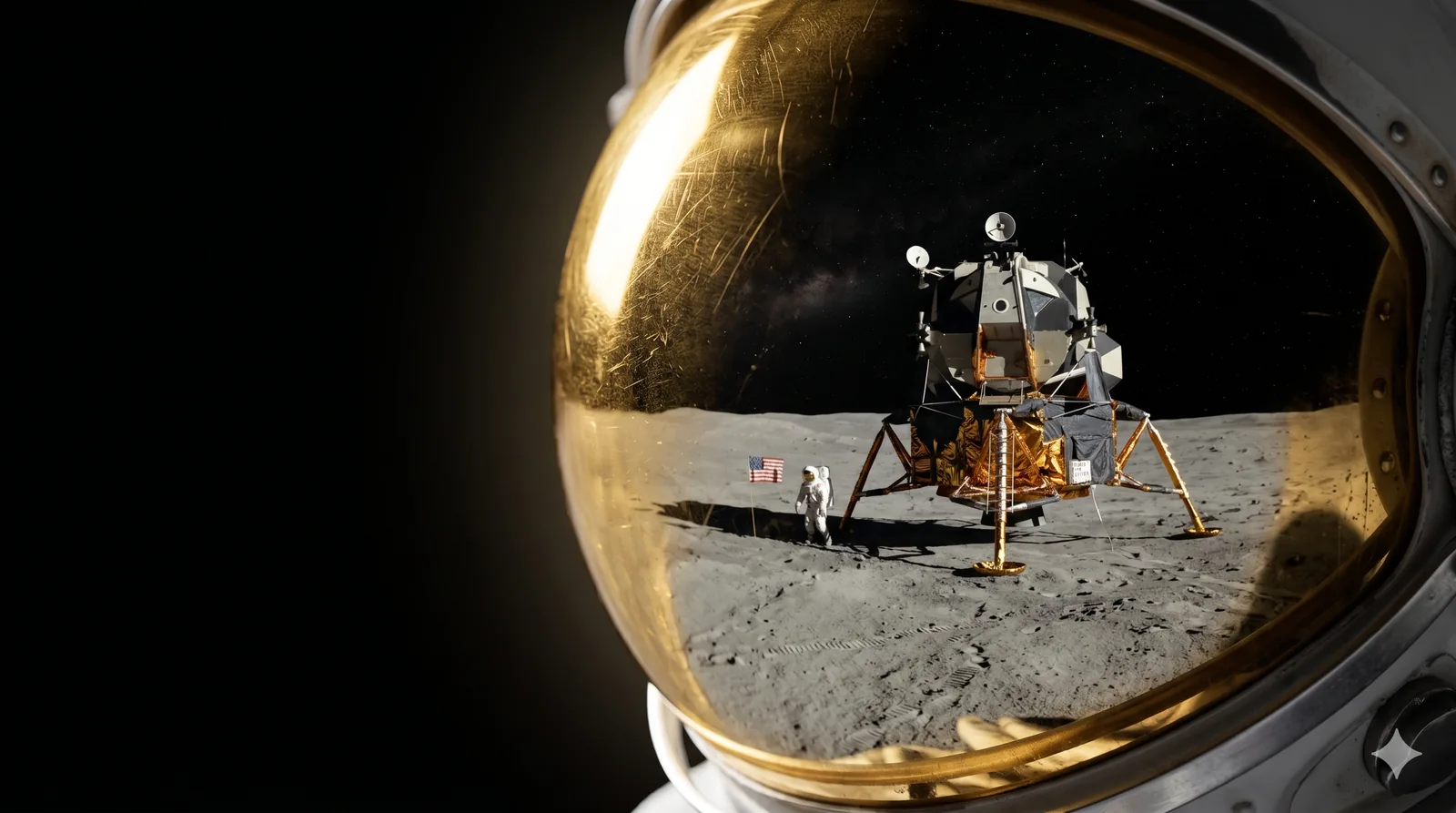
Neil Armstrong's Speedmaster stayed inside the Lunar Module — the LM's onboard timer had failed and his watch became the mission's backup clock. Buzz Aldrin's stayed on his wrist. Six hours later, his boot touched the regolith.
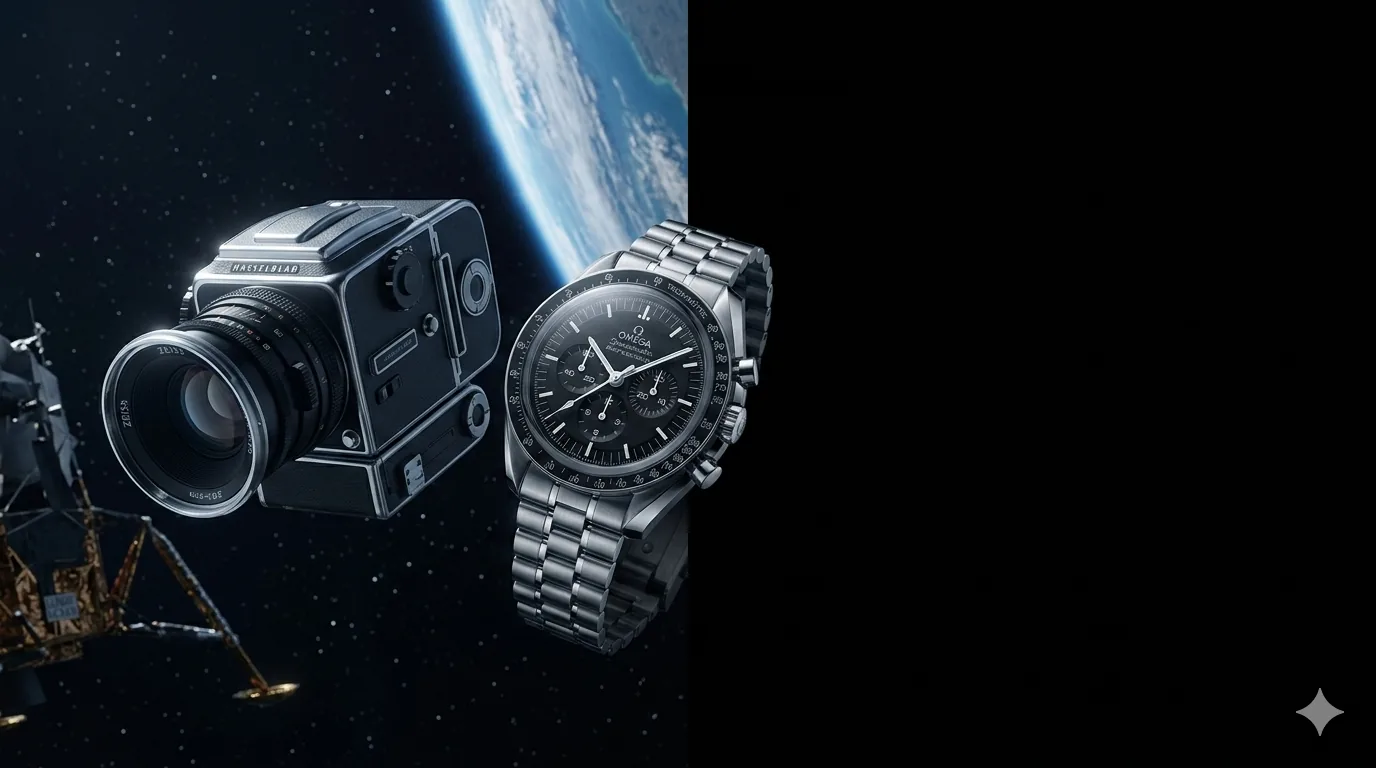
Buzz Aldrin's personal Speedmaster — Reference 105.012, the watch on his wrist on 21 July 1969 — was shipped to the Smithsonian shortly after the mission and lost in transit. Somewhere, in someone's drawer or estate, sits the most historically significant wristwatch ever made. It has never been recovered.
The original Speedmaster (Reference CK2915) was designed by Claude Baillod in 1957 for sports-car drivers; its tachymeter bezel was an industry first. Sixty-eight years later it is the only watch — of any kind, from any manufacturer — still in continuous production from the year it was certified by NASA.
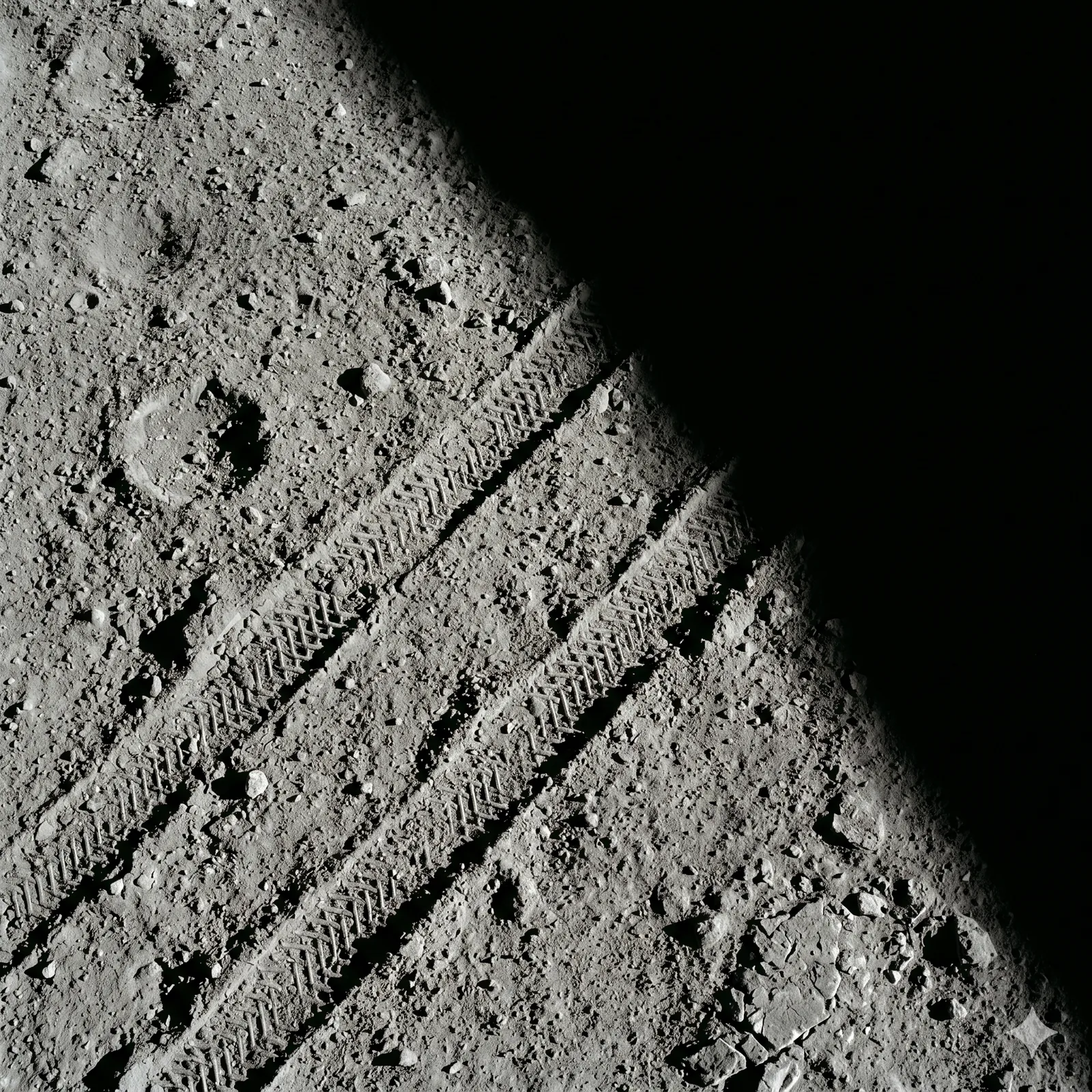
Lemania-based column-wheel chronograph. The caliber worn on the moon — Apollo 11 used Reference 105.012, powered by the 321.
Cam-actuated. Simpler, more robust, mass-producible. Apollo-era and Skylab. Reliable and quietly perfect.
A modernized 861. Rhodium plating, refined finishing. The "second-generation moonwatch" caliber for twenty-five years.
Co-Axial escapement. Si14 silicon balance spring. METAS-certified to −0/+5 sec/day, antimagnetic to 15,000 gauss.

Every Speedmaster Professional is assembled by hand at Omega's manufacture in Biel, Switzerland — a five-story facility on the banks of the Schüss, in operation since 1880. The 3861 caliber takes one hundred and ten hours of skilled assembly time, then eight additional days inside METAS' sealed magnetic chambers, before it can be cased.
The case is forged from a single billet of 316L stainless steel. The dial is lacquered black, fired, then printed with calibrated white indices. The hands are cut, polished by hand, and filled with Super-LumiNova. The bracelet is assembled link by link.
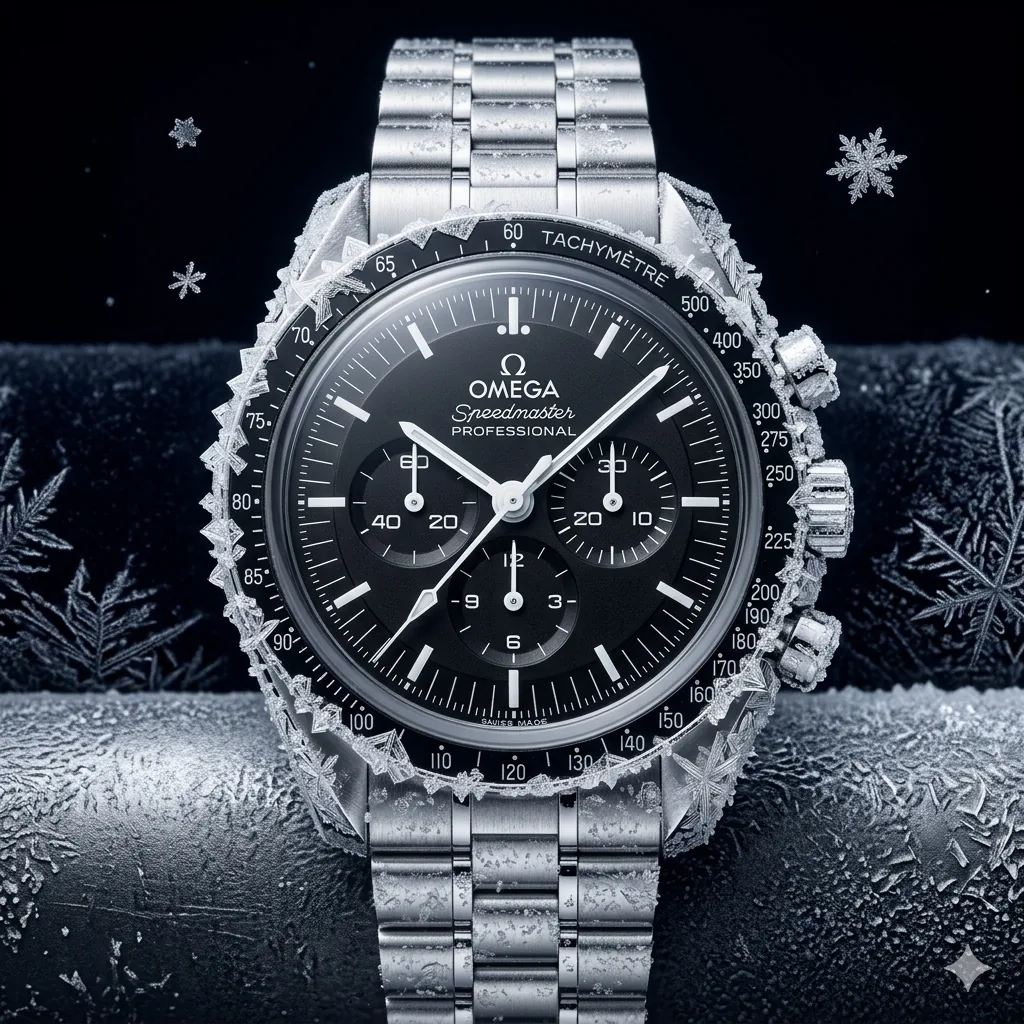


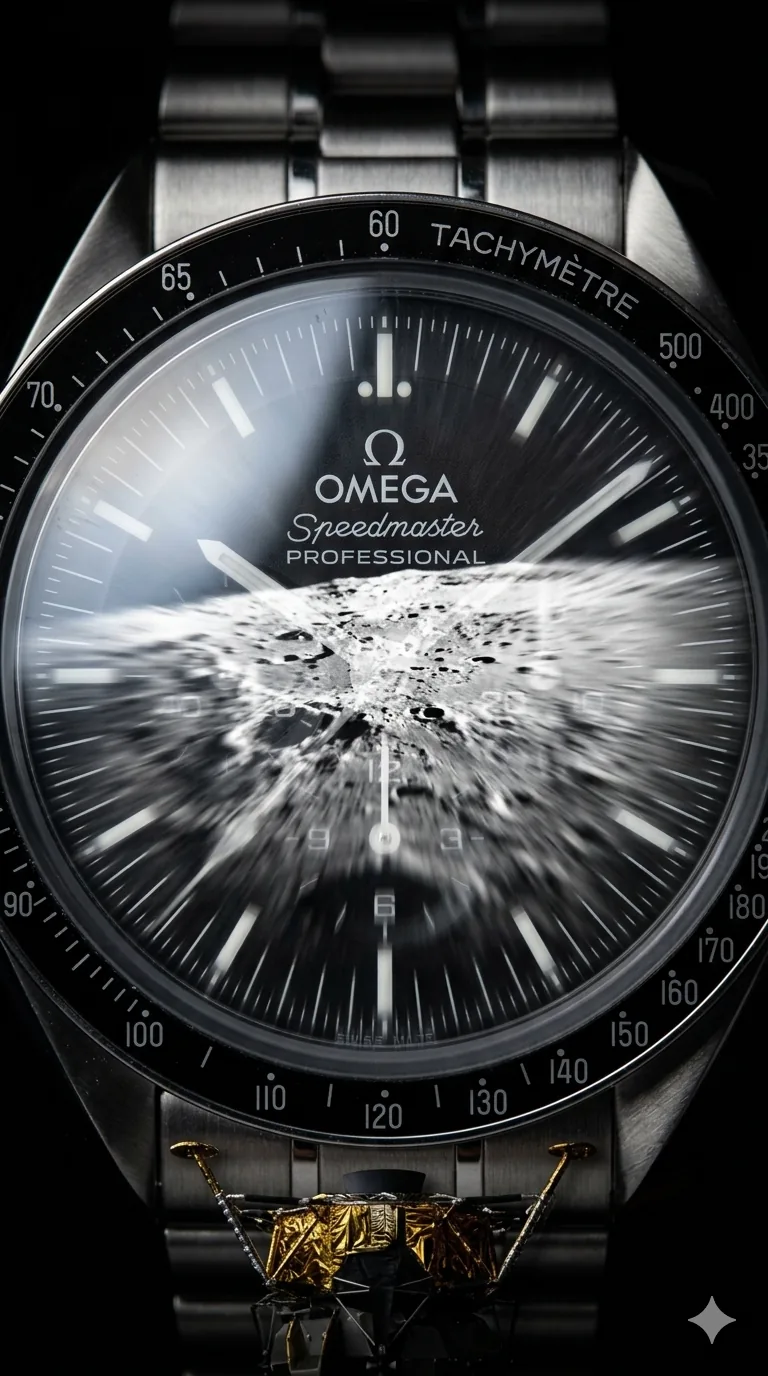
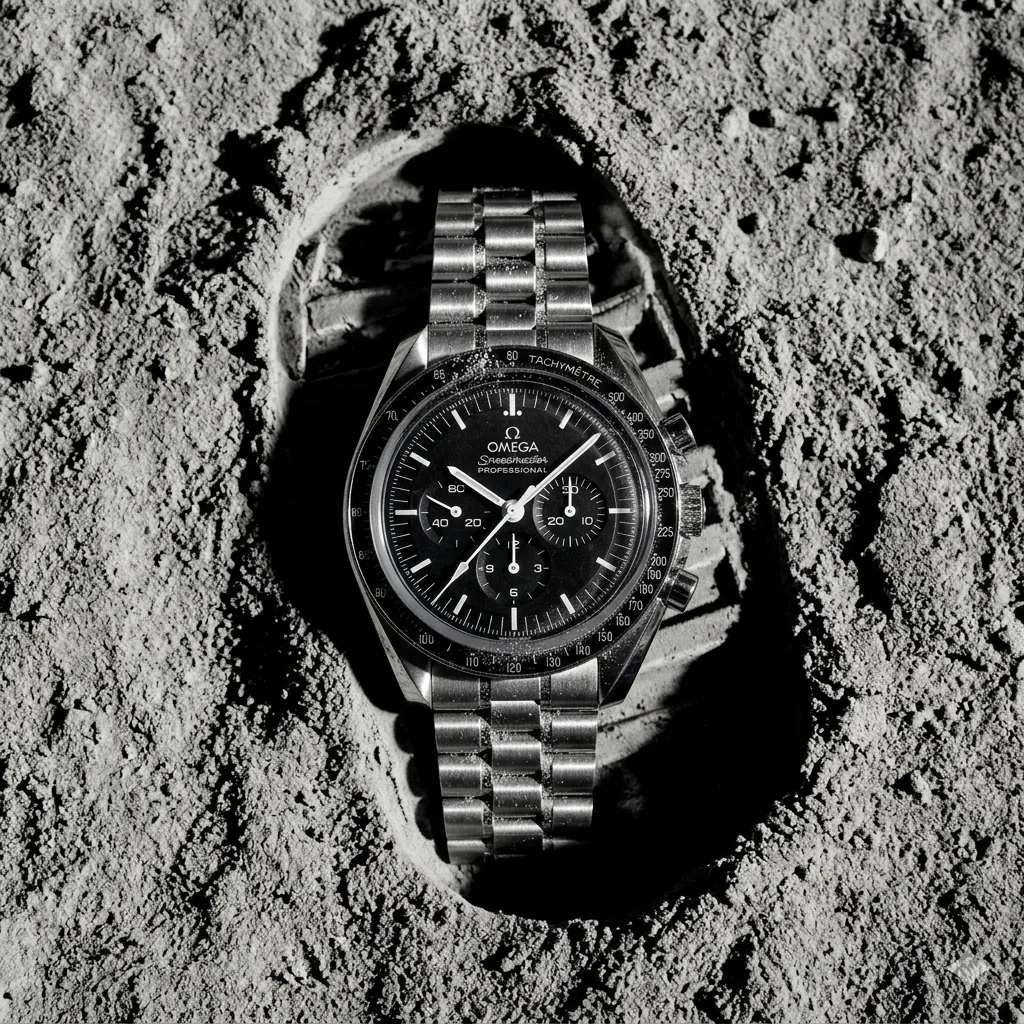
Black lacquer. Stepped indices, applied. Recessed sub-dials at 3, 6, and 9. Calibrated for legibility in zero-gravity — the hour markers catch suit-light at a glance.
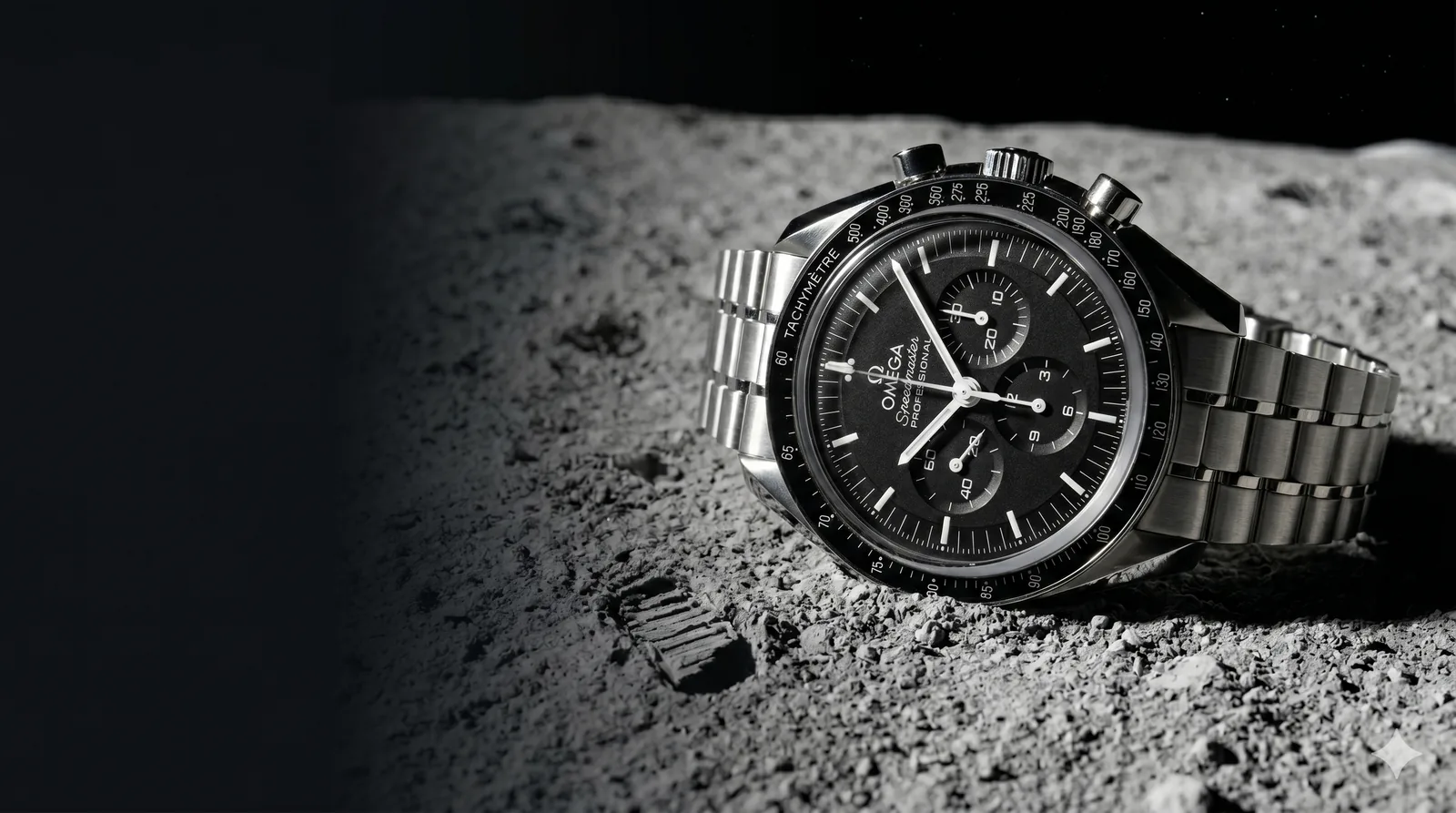
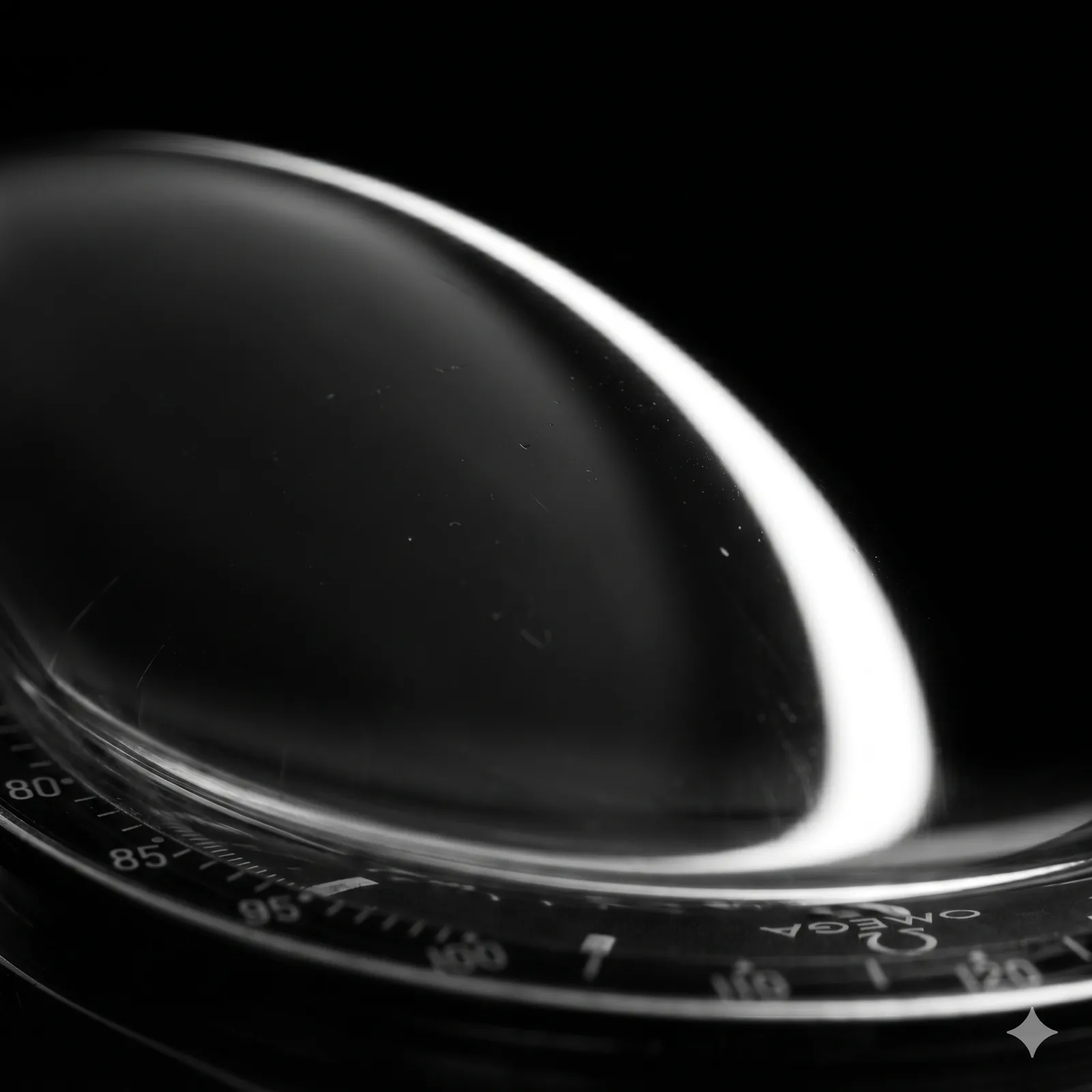
Domed sapphire, Mohs 9. Anti-reflective coating, inside only. (Hesalite acrylic still ships as Ref. 310.30.42.50.01.002 — a deliberate quote of the moonwatch.)
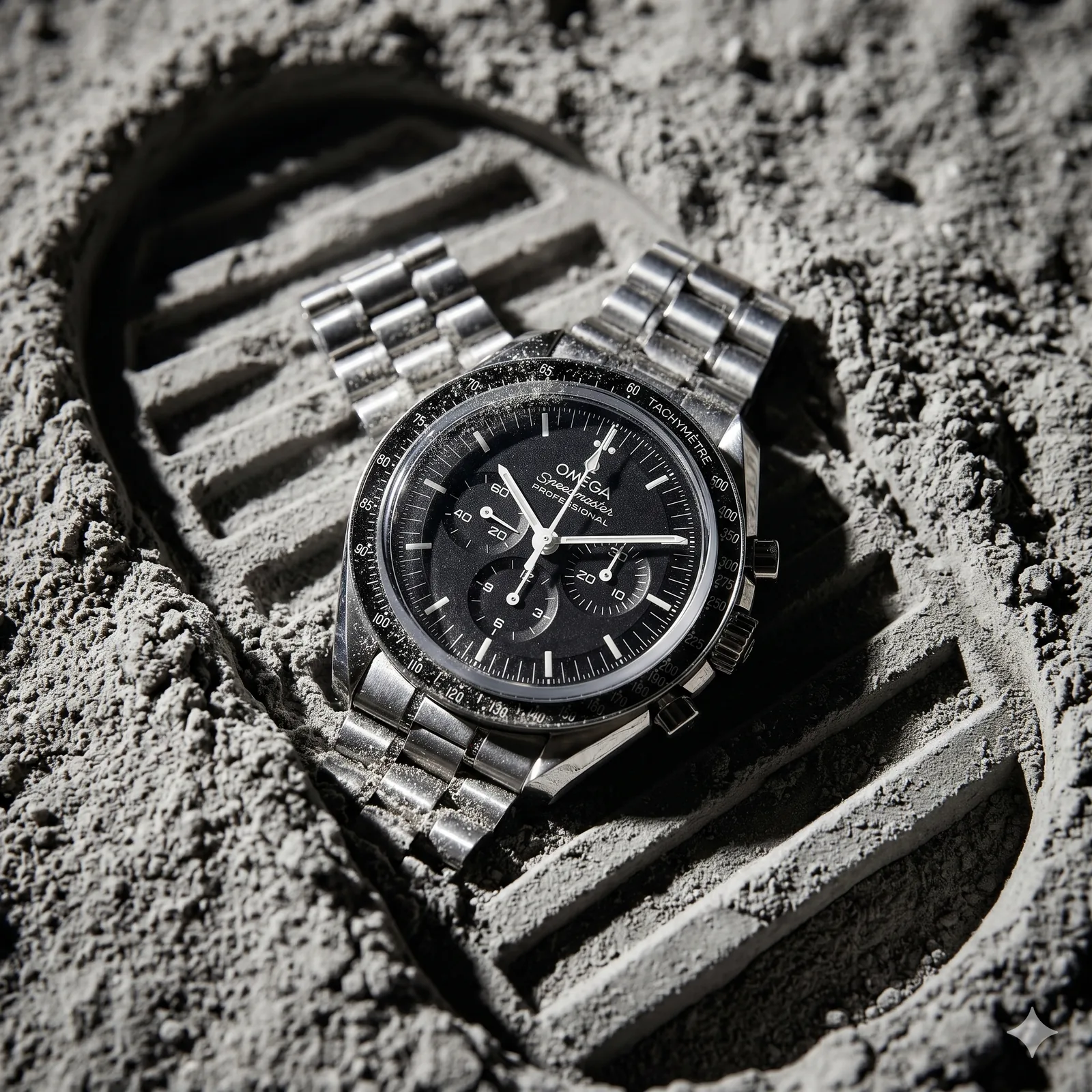
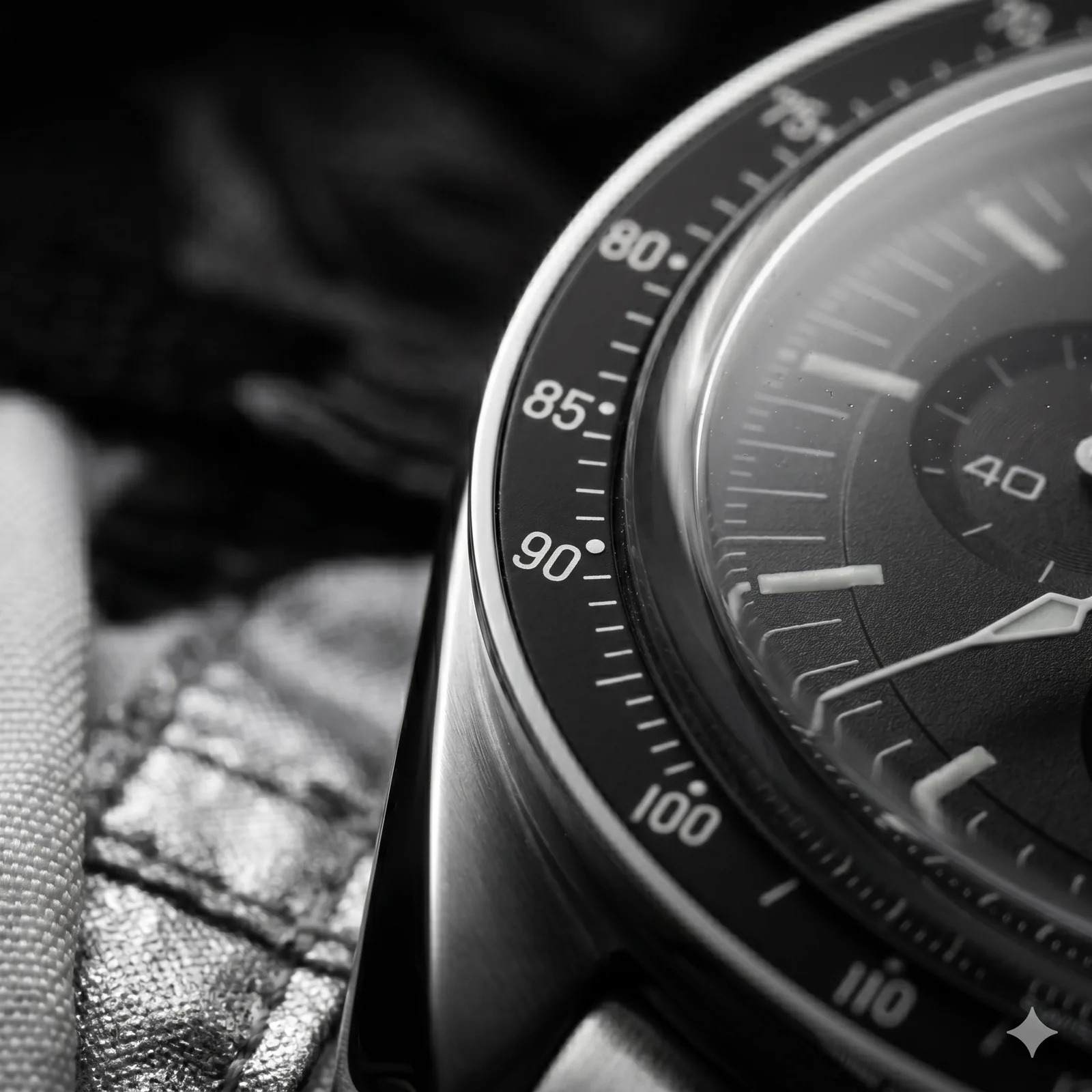
Black aluminum tachymeter, measures any speed against a 1-km baseline. The "DOT OVER NINETY" — a small period above 90 — is faithful to what flew on Apollo 11.
White luminescent baton hour and minute. Central chronograph seconds runs continuously while timing. Read everything in a single glance.

Five-link, brushed and polished, 1957-style. Folding clasp with comfort extension. Solid links throughout. The version flown was leather; this is what owners actually wear.
At seven thousand dollars the modern Speedmaster Professional is, quietly, one of the best values in luxury watchmaking. METAS certification alone — the eight-day testing, the magnetic chamber, the +5/-0 second tolerance — typically commands a premium of two to three thousand dollars on any other reference. Add to that a hand-assembled Co-Axial movement, a sapphire-on-sapphire case, and a five-year international warranty.
Add to that, finally, the only literal value that cannot be added to anything else: this is the watch that went to the moon. NASA's certification of this exact model — same case, same caliber lineage, same name — has been continuously renewed since 1965. No other watch on any wrist can say that.
The question is not whether to buy a Speedmaster. It is which Speedmaster, and when.
The Speedmaster Professional, Reference 310.30.42.50.01.001, with the Co-Axial Master Chronometer Calibre 3861, on the matching stainless steel bracelet.
Engineering
Manual-wind chronograph with Co-Axial escapement (George Daniels design, licensed 1999). Si14 silicon balance spring, free-sprung balance, 234 components, 26 jewels
METAS Master Chronometer certified — antimagnetic to 15,000 gauss and accurate to 0/+5 sec/day. Stricter than COSC. The Co-Axial escapement's lower friction enables 8–10 year service intervals
Hardened acrylic (Mohs ~2–3) with embossed central Omega logo — the NASA flight-qualified specification
Chosen by NASA because acrylic crazes rather than shattering into floating shards in zero-gravity. Scratches polish out by hand with PolyWatch in under 5 minutes — the authentic flight spec
Omega's proprietary Si14 silicon hairspring — in series production since 2008
Naturally antimagnetic and thermally stable. Combined with paramagnetic Nivagauss components throughout the movement, it achieves 15,000-gauss antimagnetism — magnitudes beyond a typical chronograph
Fixed black anodized aluminum with white tachymeter scale. Preserves the "DOT OVER NINETY" detail from the Apollo 11–era watches
Heritage-faithful to the 1969 flight watch. The DOT OVER NINETY (a period above the "90" numeral) is a deliberate quotation of what flew to the Moon — collectors track this detail closely
42mm asymmetric case with integrated crown guards (added in 1964 for the 105.012 — the reference Buzz Aldrin wore on the Moon)
The asymmetric lyre-lug case profile is one of the very few asymmetric designs in mainstream luxury watchmaking — unchanged since 1964. Brushed tops, polished bevels
Buyer's Guide
42mm case × 47.5mm lug-to-lug × 13.18mm thick. Wears closer to 43–44mm visually because the proud bezel sits above the case. Comfortable on wrists 6.75" (17.1cm) and above. Below 6.5", the asymmetric crown guard housing can look oversized. Consider the Speedmaster '57 (40.5mm, no crown guards) for smaller wrists.
OEM five-link brushed steel bracelet (1957 style) with comfort-adjust clasp — the .001 bracelet is fully brushed, the .002 uses polished center links. OEM leather and NATO straps available. 20mm lugs with drilled lug holes — fits virtually any aftermarket strap. Popular: Forstner Komfit "Bonklip," Bulang & Sons leather, Crown & Buckle NATO.
Ownership
5-Year Total Cost (est.)
$5,000–$10,000
for a Omega Speedmaster Professional, shown as a band
Heritage
Founded 1848 in La Chaux-de-Fonds by Louis Brandt. The Speedmaster is the only wristwatch worn on the surface of the Moon — every Apollo lunar landing from Apollo 11 (1969) through Apollo 17 (1972). NASA flight-qualified 1 March 1965 after the only commercial chronograph to survive all eleven qualification tests. Omega has been Official Olympic Timekeeper since 1932.
Apollo 13: Jack Swigert timed the critical 14-second engine burn with his Speedmaster after the onboard timer failed — bringing the crew home. Buzz Aldrin's lunar Speedmaster (Ref 105.012) was shipped to the Smithsonian after the mission and lost in transit — it has never been recovered. It is the most famous lost artifact in modern history.
Honest Take
"Three things separate the Speedmaster from any other "story watch": it still has the story-watch architecture (same hand-wind chronograph, same hesalite, same solid back — a genuine architectural heir to the 1969 flight watch), it has a verifiable historical record (NASA paperwork survives, test protocols are public), and it's genuinely accessible in the $5,000–$10,000 band (undercutting the Rolex Daytona and the Patek 5170 by a wide margin). The .001 Hesalite is the "correct" execution; the .002 Sapphire Sandwich is the "luxurious" execution."
Frequently Asked
Yes. The Speedmaster Professional was flight-qualified by NASA in 1965 and has been in continuous production since 1957. The current reference runs the METAS Master Chronometer Caliber 3861 with anti-magnetic resistance to 15,000 gauss. It offers unmatched historical significance and manufacture-grade movement quality.
The current Speedmaster Professional uses the hand-wound Caliber 3861, a METAS Master Chronometer-certified movement. It beats at 21,600 vph (3 Hz), delivers 50 hours of power reserve, and features a Co-Axial escapement with a silicon balance spring for anti-magnetic resistance up to 15,000 gauss.
The Speedmaster Professional is hand-wound with NASA lunar heritage and is readily available at retail. The Rolex Daytona is automatic with motorsport heritage but has multi-year waitlists. The Speedmaster offers more horological history per dollar; the Daytona offers stronger resale value. Different watches for different collectors.
The 2026 Omega Speedmaster Professional Moonwatch (reference 310.30.42.50.01.001) is sold through Amazon and authorised dealers; check the current price on Amazon. Pre-owned examples usually sell for less than retail, and by how much depends on condition and box-and-papers, so compare a specific listing rather than a rule of thumb.
The Speedmaster Professional holds value well due to its NASA heritage, continuous 65+ year production history, and cultural significance. While not a pure financial investment like Rolex sport models, it is widely regarded as one of the stronger value-holders among mainstream Swiss watches; check recent secondary-market listings for current figures.
Complete the look
The Speedmaster Professional takes a 20mm strap.
Not ready today? Adding it to your cart keeps your pick saved.
Compared Against